Hotels Want You to Think Upgrades Are for VIPs Only — Here's Why That's Not True
The Upgrade Assumption That Costs You Better Rooms
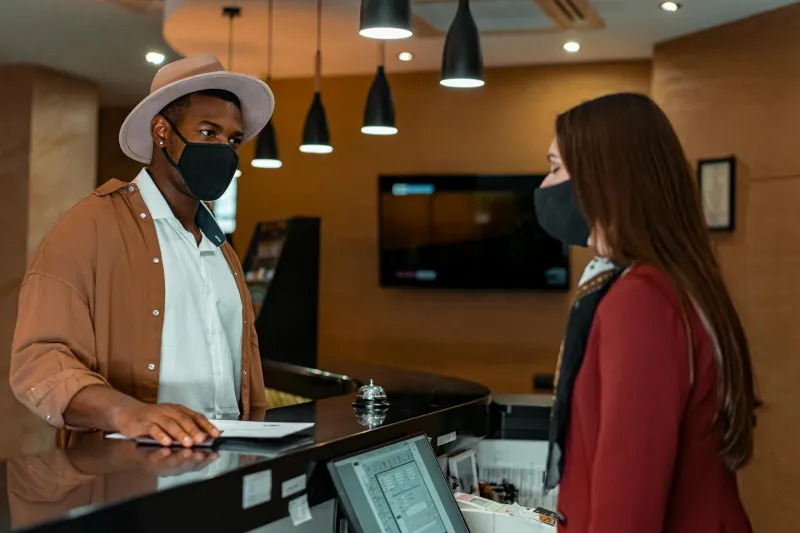
Most hotel guests check in the same way every time: approach the desk, hand over ID and credit card, accept whatever room they're assigned, and head to the elevator. The thought of asking for an upgrade never crosses their mind because they "know" those perks are reserved for platinum members and frequent flyers.
That assumption quietly costs millions of travelers better rooms, better views, and better experiences every single night. While hotels spend billions marketing their loyalty programs as the exclusive path to upgrades, the reality behind the front desk is far more flexible—and far more human—than the corporate messaging suggests.
The Loyalty Program Smokescreen
Hotel chains have spent decades convincing travelers that room upgrades follow a rigid hierarchy: elite members first, everyone else never. Their marketing makes it seem like front desk computers automatically allocate the best available rooms based on loyalty status, leaving no room for human judgment or guest interaction.
This narrative serves the hotels perfectly. It drives people to chase elite status, book more nights, and choose the same chain repeatedly. But it also creates a convenient fiction that protects hotels from upgrade requests they'd rather not deal with.
"The loyalty program is real, but it's not the whole story," says Maria Santos, who worked front desk operations at major hotel chains for over a decade. "We had way more discretion than guests realized, especially during slower periods."
 Photo: Maria Santos, via cdn.kronosre.com
What Actually Happens at Check-In
Behind every hotel front desk is a property management system that shows real-time room availability, guest preferences, and yes, loyalty status. But it also shows something else: how many rooms are actually occupied versus how many the hotel expected to fill.
When occupancy runs below forecast—which happens more often than hotels admit—front desk staff often have empty upgraded rooms sitting available. The computer might automatically assign a standard room to a non-elite guest, but the agent can override that decision with a few keystrokes.
"If we're at 60% occupancy and someone's polite and friendly, why wouldn't I give them a better room?" Santos explains. "It costs the hotel nothing, makes the guest happy, and might turn them into a repeat customer."
The Timing Factor Nobody Talks About
Upgrade availability follows predictable patterns that have nothing to do with your loyalty status. Tuesday through Thursday nights typically see lower occupancy at business hotels, while resort properties often have gaps during shoulder seasons or between major holidays.
Check-in time matters enormously. Arrive at 3 PM when the hotel is still cleaning rooms, and options are limited. Show up at 8 PM when the day's no-shows have been released and cancellations processed, and suddenly there are premium rooms sitting empty.
"Late check-ins actually worked in guests' favor," says David Chen, a former hotel operations manager. "By evening, we knew exactly what inventory we had, and we'd rather fill an upgraded room than leave it empty."
 Photo: David Chen, via cdn.yolocoloring.com
The Behaviors That Actually Influence Upgrades
While hotels won't admit it publicly, front desk staff consistently report that certain guest behaviors dramatically increase upgrade chances—and none of them involve elite status.
Genuine friendliness tops the list. Not forced cheerfulness or obvious manipulation, but authentic politeness and recognition that the person behind the desk is a human being dealing with dozens of interactions daily.
Flexibility signals cooperation. Mentioning that you're celebrating something special can help, but only if it feels natural. Demanding an upgrade because it's your birthday typically backfires.
Timing your ask matters. The phrase "Is there any chance of an upgrade?" works better than elaborate explanations or veiled threats about taking business elsewhere.
Travel circumstances create opportunities. Traveling with family, staying multiple nights, or dealing with flight delays often prompt sympathetic upgrades from staff who remember what it's like to travel.
Why Hotels Perpetuate the Elite-Only Myth
The hotel industry has strong incentives to maintain the fiction that upgrades are purely loyalty-based. It protects staff from constant upgrade requests while driving enrollment in profitable loyalty programs that collect valuable customer data.
If every guest knew that politely asking for an upgrade during low-occupancy periods often worked, front desk operations would become significantly more complicated. The current system allows hotels to quietly upgrade guests when it suits them while maintaining plausible deniability about favoritism.
"We were told to be generous with upgrades for nice guests, but never to advertise that policy," Chen recalls. "The company wanted the flexibility without the expectation."
The Real Upgrade Algorithm
Based on interviews with former hotel staff and industry insiders, here's how upgrade decisions actually get made:
Loyalty status matters, but mainly as a tiebreaker. If two equally pleasant guests ask for upgrades and only one room is available, the elite member wins. But if you're the only person asking and rooms are available, your status becomes irrelevant.
Revenue management trumps everything. If the hotel thinks it can sell upgraded rooms later, they'll hold them regardless of guest requests. If demand looks weak, they'll give them away more freely.
Staff discretion fills the gaps. Individual front desk agents make dozens of upgrade decisions daily based on factors that never appear in any corporate manual: guest attitude, sob stories, celebration mentions, and simple human connection.
The Approach That Actually Works
The most effective upgrade strategy isn't about gaming the system—it's about working with it. Acknowledge the front desk agent as a person, not a room-dispensing machine. Ask politely if anything better is available rather than demanding specific room types.
Be prepared to hear "no" gracefully. Staff remember guests who handle rejection well, and that goodwill often pays off on future visits or later in the same stay if circumstances change.
Most importantly, abandon the assumption that upgrades are impossible without elite status. That belief ensures you'll never get one, regardless of how many empty suites are sitting upstairs.
The Bottom Line
Hotels have successfully convinced most travelers that room upgrades operate like airline boarding—rigid, status-driven, and largely automated. The reality is far more human and far more flexible.
The next time you check in, remember that the person behind the desk probably has more power to improve your stay than either of you is supposed to acknowledge. Whether they choose to use it often depends less on your loyalty tier than on how you treat them during those crucial first few minutes.
That's not a guarantee of an upgrade—it's just a reminder that the system isn't as locked down as the marketing wants you to believe.