Charging Your Phone Overnight Probably Isn't Wrecking the Battery — But What You Do During the Day Might Be
Charging Your Phone Overnight Probably Isn't Wrecking the Battery — But What You Do During the Day Might Be
At some point in the last decade, a piece of advice started circulating — through tech forums, YouTube channels, and well-meaning friends — that you should never leave your phone plugged in overnight. The reasoning went something like this: charging to 100% and staying there stresses the battery, shortens its lifespan, and will eventually leave you with a phone that barely holds a charge by lunchtime.
The advice spread fast. People started unplugging before bed, charging to 80% and stopping, and treating their phone batteries with the kind of careful attention usually reserved for houseplants. Some of that caution made sense at the time. But the technology has moved on, and a lot of the conventional wisdom hasn't kept up.
Where the Overnight Charging Fear Came From
The concern wasn't invented out of nothing. Early lithium-ion batteries — the kind in phones from the mid-2000s and early 2010s — were genuinely more sensitive to what's called 'overcharging.' Keeping a battery at maximum charge for extended periods created heat and chemical stress that, over time, degraded capacity. The advice to avoid charging to 100% and unplug before sleeping had real, if modest, scientific backing for those devices.
The problem is that smartphones have changed dramatically since then, and the battery management systems inside them have changed even more. The warning got passed down through tech culture like a folk remedy — repeated long after the conditions that made it relevant had shifted.
What Modern Phones Actually Do
Every major smartphone sold in the U.S. today — iPhone, Samsung Galaxy, Google Pixel, and others — includes sophisticated battery management software that handles overcharging automatically. When your phone reaches 100%, it doesn't just sit there absorbing electricity. It stops drawing current from the charger and switches to a trickle mode, only pulling small amounts of power to compensate for natural discharge.
Apple took this further with a feature called Optimized Battery Charging, introduced in iOS 13. The phone learns your daily charging habits and intentionally delays charging past 80% until shortly before you typically wake up. If you plug in at 11 p.m. and usually wake at 7 a.m., the phone will charge to 80%, pause, and then top off closer to your alarm. Android devices from Samsung and Google have introduced similar adaptive charging features.
In other words, the phone is already doing the thing you've been trying to do manually — and it's doing it more precisely than any human charging routine could.
So What Actually Damages a Lithium-Ion Battery?
Here's where the real story gets useful. The behaviors that genuinely degrade battery health faster aren't the ones most people worry about.
Heat is the biggest factor. Lithium-ion batteries degrade faster when they get hot — not warm, but genuinely hot. Leaving your phone on the dashboard of a car on a summer afternoon, using it while it's charging in a way that generates sustained heat, or keeping it in a case that traps heat during intensive tasks all accelerate battery aging more than overnight charging ever would. If your phone regularly feels hot to the touch during normal use, that's worth paying attention to.
Frequent deep discharge cycles matter more than full charges. Running your battery from 100% down to 0% repeatedly is harder on battery chemistry than keeping it in a mid-range zone. Charging from 20% to 80% is genuinely the gentler pattern — but the difference in long-term capacity loss compared to full charges is measurable in months of heavy use, not dramatic degradation you'd notice in a year.
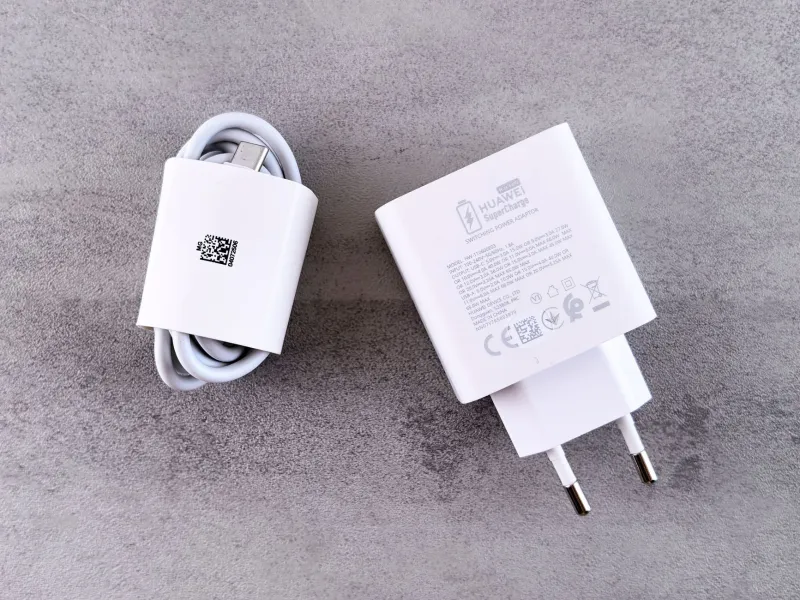
Fast charging generates heat. The fast and ultra-fast charging speeds that phone manufacturers advertise as features push more current through the battery in less time, which generates heat. Using your phone's included fast charger occasionally is fine. Relying on the fastest charger you can find every single time, especially if the phone gets warm during the process, adds up over time.
Old software and background processes. A phone that's running outdated software, constantly syncing, or running battery-hungry background apps is working harder than it needs to, generating more heat, and cycling through charge faster — all of which compounds battery wear.
What's Actually Worth Doing
You don't need to unplug your phone at 2 a.m. or set an alarm to stop charging at 80%. If your phone has optimized charging features — and most do — turn them on and let the system handle it. That's what the feature is for.
What is worth doing: keep your phone out of extreme heat, avoid running it to zero regularly if you can help it, and don't leave it sitting on a fast charger while playing a graphics-intensive game for hours at a stretch. Those are the habits that actually show up in battery health over time.
Also worth knowing: most phone batteries are designed to retain around 80% of their original capacity after 500 full charge cycles. For the average user, that's roughly two years of daily use. After that, some capacity loss is normal and expected — not a sign that you charged wrong.
The Real Story
The overnight charging myth made sense once, for older hardware, and the advice got repeated so often that it took on a life of its own. Today's phones are built to manage their own charging behavior more intelligently than any manual routine you'd follow.
The battery habits worth worrying about are mostly about heat and depth of discharge — not whether your phone was plugged in while you slept. Knowing the difference means you can stop managing something that's already managed, and pay attention to the things that actually matter.