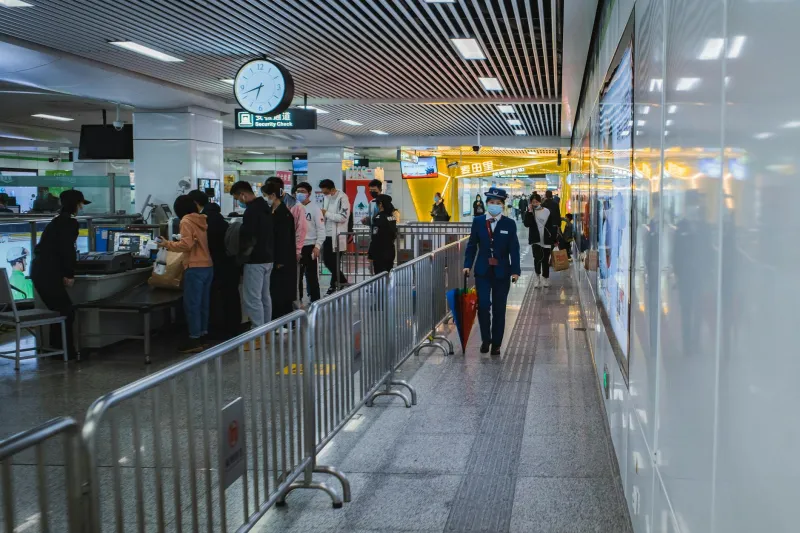
More than 10 million Americans have enrolled in TSA PreCheck since its launch, and most of them share the same basic understanding: pay the fee, get approved, and enjoy consistently faster airport security lines for five years. It's a simple value proposition that seems almost too good to be true.
Turns out, it kind of is.
The Promise vs. The Fine Print
TSA PreCheck marketing emphasizes speed and convenience—keep your shoes on, leave laptops in bags, and use shorter security lines. What the promotional materials don't emphasize are the numerous situations where PreCheck benefits disappear entirely, leaving travelers standing in regular security lines despite their paid membership.
The most common surprise? PreCheck lanes aren't guaranteed to be open. At smaller airports or during off-peak hours, TSA may close PreCheck lanes entirely, forcing all passengers through standard security regardless of their enrollment status. This happens regularly at dozens of U.S. airports, but there's no reliable way to predict when.
Even when PreCheck lanes are open, they don't always move faster. During peak travel times, PreCheck lines can be just as long as regular security lines. The time savings come from streamlined procedures, not shorter waits, and those procedures don't help much when you're stuck behind 50 other PreCheck members.
When Your PreCheck Mysteriously Disappears
Perhaps the most frustrating aspect of PreCheck is its inconsistent availability, even for enrolled members. Your PreCheck status can disappear from your boarding pass for reasons that range from logical to seemingly random.
Sometimes it's obvious—if you book a last-minute flight or travel with someone who doesn't have PreCheck, you might lose your expedited status. But PreCheck can also vanish due to TSA's unpublished security algorithms, which occasionally flag even trusted travelers for additional screening.
International flights present another complication. Many travelers assume PreCheck works for all flights departing from U.S. airports, but certain international destinations and airline partnerships don't participate in the program. You might discover this limitation only when checking in for a vacation you've been planning for months.
The TSA's official explanation for these inconsistencies is 'security requirements,' but this vague language leaves travelers guessing about when their paid benefits will actually work.
What PreCheck Was Actually Designed to Do
To understand why PreCheck doesn't work like a VIP pass, it helps to know what the program was originally intended to accomplish. TSA created PreCheck not primarily to speed up security for individual travelers, but to reduce overall wait times by moving lower-risk passengers through faster procedures.
The program emerged after years of complaints about increasingly invasive security measures implemented after 9/11. Rather than scaling back security for everyone, TSA decided to create a separate track for travelers who underwent background checks and were deemed lower risk.
From TSA's perspective, PreCheck succeeds when it reduces congestion in regular security lines, even if PreCheck members don't always experience dramatically faster service. This explains why the agency doesn't guarantee PreCheck lane availability or consistent processing times—those weren't the program's primary goals.
The marketing emphasis on individual convenience came later, as TSA tried to encourage enrollment to make the system work more effectively. But the underlying infrastructure was designed for system-wide efficiency rather than premium customer service.
The Real Benefits (And Limitations)
Despite its limitations, PreCheck does provide genuine advantages for frequent travelers. The ability to keep shoes and jackets on streamlines the screening process, even when lines are long. Leaving electronics and liquids in carry-on bags reduces the chance of delays caused by bag searches.
These procedural benefits matter most for business travelers who fly regularly and value consistency over speed. A reliable screening routine can be more valuable than saving five minutes in line, especially when you're rushing to catch connecting flights.
PreCheck also provides access to expedited security at over 200 airports nationwide, including smaller regional airports where the time savings can be dramatic. If you frequently travel through less busy airports, PreCheck often delivers exactly what it promises.
The program works best for travelers who understand its limitations and plan accordingly. Experienced PreCheck users know to arrive at airports with the same time buffer they used before enrollment, treating any time savings as a bonus rather than a guarantee.
Why the Confusion Persists
The disconnect between PreCheck expectations and reality reflects broader changes in how Americans think about paid conveniences. We're accustomed to subscription services and premium memberships that provide consistent, predictable benefits. PreCheck feels like it should work the same way.
But airport security operates under different constraints than streaming services or retail loyalty programs. Security requirements, staffing limitations, and infrastructure constraints create variability that can't be eliminated through better customer service.
TSA has gradually adjusted its messaging to set more realistic expectations, but millions of existing members enrolled based on earlier, more optimistic marketing. This creates ongoing frustration as travelers discover limitations they weren't warned about.
Making Sense of the Investment
So is PreCheck worth it? The answer depends entirely on your travel patterns and expectations. Frequent business travelers who fly through major airports during peak hours often find genuine value, even with the program's limitations.
Casual vacation travelers who fly once or twice a year may find the benefits less compelling, especially if they typically travel through smaller airports where security waits are already minimal.
The key is understanding that PreCheck is fundamentally a government security program that happens to offer convenience benefits, not a premium travel service that happens to involve security. Adjust your expectations accordingly, and you're more likely to find value in what the program actually provides rather than disappointment in what it doesn't.
Before your next airport trip, check whether PreCheck lanes will be open at your departure airport and time. TSA's website provides some guidance, though it's not always current. And remember—even with PreCheck, the most reliable way to reduce airport stress is still the old-fashioned approach: arrive early and plan for delays.