The 20% Tip 'Rule' Was Never Actually a Rule
The 20% Tip 'Rule' Was Never Actually a Rule
Ask almost any American what the standard tip is, and you'll get a fast, confident answer: 20%. Maybe 18% if the service was just okay. Maybe 25% if you're feeling generous. It feels like settled etiquette — one of those social rules everyone just knows.
Except it isn't settled. And most people have never stopped to ask where that number actually came from.
The real story behind American tipping culture is messier, more arbitrary, and more industry-driven than most diners ever realize. And understanding it might change the way you think about that little line at the bottom of every restaurant check.
Where the 15% 'Standard' Came From
For most of the 20th century, 15% was the widely accepted benchmark for a decent restaurant tip. Etiquette guides from the mid-1900s consistently cited 15% as the appropriate gratuity for table service. That number held relatively steady for decades — not because it was scientifically calculated, but because it was simple, familiar, and broadly repeated until it became conventional wisdom.
The shift toward 20% started gaining real momentum in the 1990s and accelerated through the 2000s. There wasn't a single announcement or cultural moment that flipped the switch. Instead, it was a slow accumulation of forces: rising costs of living in major cities, restaurant industry lobbying that kept the federal tipped minimum wage frozen at $2.13 per hour (a number that hasn't changed since 1991), and a growing cultural expectation that customers — not employers — were responsible for making up the gap between that wage floor and a living income.
By the time smartphones and tableside payment tablets became standard, 20% had quietly become the new baseline — and the technology helped cement it.
How the Tablet Changed Everything
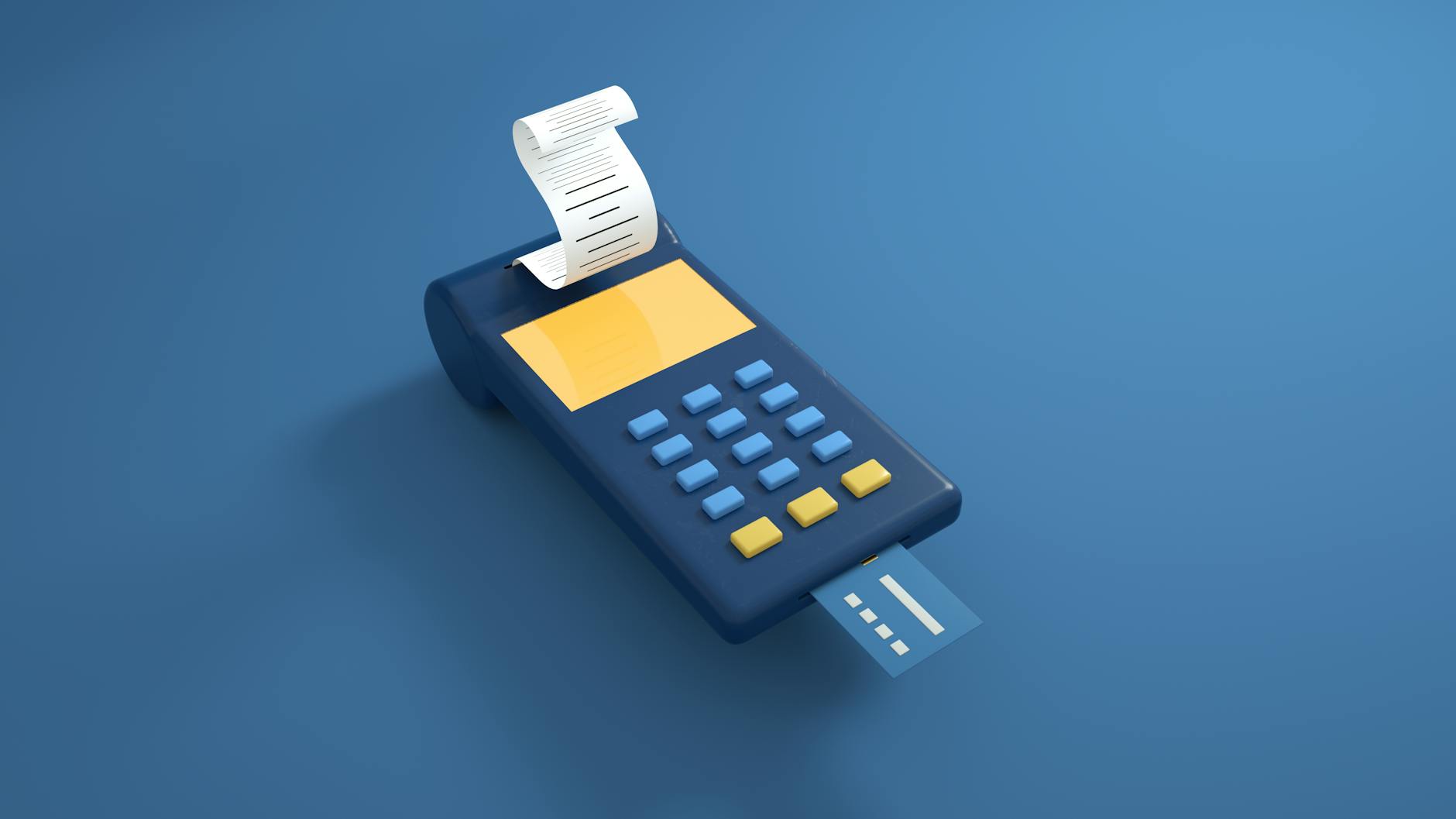
If you've eaten at a restaurant in the last decade, you've almost certainly encountered the moment: the server hands you an iPad or a card reader, and the screen presents you with three pre-selected tip options. Often it's 20%, 25%, and 30%. Sometimes there's a "custom" option buried at the bottom, requiring extra taps to access.
This design isn't accidental. It's a well-documented application of behavioral economics called "choice architecture" — the idea that the way options are presented shapes the choices people make. When 20% is the lowest pre-filled suggestion, it stops feeling like a generous tip and starts feeling like the minimum acceptable option. The psychological pressure to avoid looking cheap does the rest.
Research has consistently shown that digital tipping prompts increase both the frequency and the size of tips. What was once a personal calculation made with cash and conscience is now a public, time-pressured decision made in front of a waiting server. That changes behavior — and it was designed to.
The Pre-Tax vs. Post-Tax Question Nobody Talks About
Here's a wrinkle most people never consider: should you tip on the pre-tax subtotal or the post-tax total?
Traditionally, tipping on the pre-tax amount was the standard approach — the logic being that a tip is meant to reflect the value of the service, not the government's cut of the bill. But as digital payment systems became widespread, the math embedded in those tip-calculation screens quietly shifted. Most tablet systems calculate the suggested tip percentages based on the post-tax total by default.
For a modest dinner, the difference is small. On a larger tab — a group dinner, a special occasion meal, a restaurant in a high-tax city — it adds up. And most diners never notice, because the screen just shows them a dollar amount, not the calculation behind it.
Neither approach is morally wrong. But knowing which one you're using is the kind of thing you probably assumed you already understood.
Why the Restaurant Industry Shifted the Burden
It's worth stepping back and asking a broader question: why does tipping exist at all in its current form?
The honest answer is that the American restaurant industry has, over several decades, successfully transferred a significant portion of its labor costs onto customers. The federal tipped minimum wage loophole — which allows employers to pay tipped workers far below the standard minimum wage on the assumption that tips will make up the difference — has been a cornerstone of that model since the 1960s.
In states like California and Washington, where tipped workers must be paid the full state minimum wage regardless of tips, tipping culture still exists but functions differently. In most of the country, though, the tip isn't a bonus for good service. It's a wage subsidy that customers have been conditioned to provide.
That doesn't mean servers don't deserve to be tipped — they absolutely do, precisely because the system has been built around that expectation. But it does mean the common assumption that tipping is a purely voluntary, merit-based reward is a significant oversimplification of how the economics actually work.
What This Means for You at the Table
None of this is meant to make you tip less or feel manipulated every time you eat out. The people who depend on tips are real workers navigating a system they didn't design.
But understanding the real story behind tipping culture does a few useful things. It explains why 20% feels mandatory now when it felt generous 30 years ago. It helps you recognize that tablet tip screens are engineered experiences, not neutral calculators. And it clarifies that tipping on the pre-tax subtotal isn't cheap — it's actually the historically conventional approach.
The 20% rule was never written down anywhere official. It was nudged into existence by a combination of frozen labor laws, smart technology design, and decades of shifting social norms. That doesn't make it wrong to follow — but it does mean you're following a custom, not a rule. And knowing the difference is kind of the whole point.