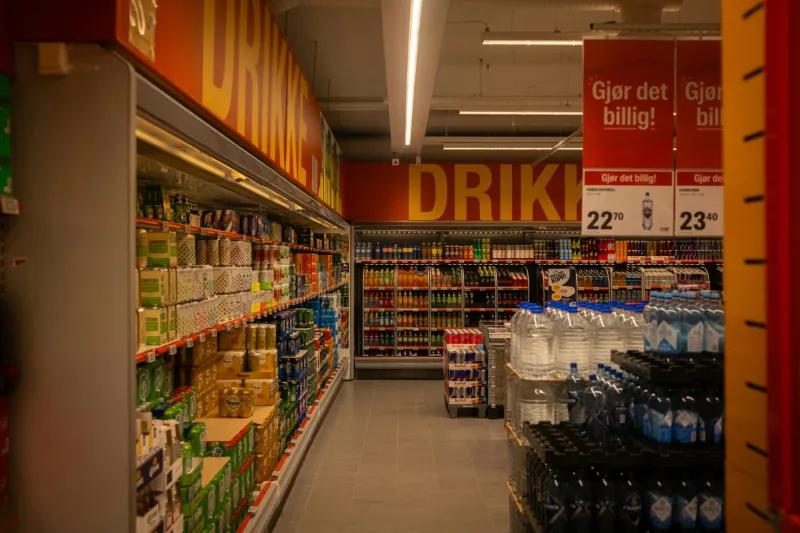
Walk down any grocery store cleaning aisle and you'll spot them immediately: bottles proudly displaying 'non-toxic' labels in bold, reassuring fonts. These products often cost 30-50% more than conventional cleaners, and millions of health-conscious Americans gladly pay the premium. After all, if it says 'non-toxic,' it must be safer for your family, right?
Not exactly.
The Label That Means Everything and Nothing
Here's what most shoppers don't know: 'Non-toxic' has no regulated legal definition in the United States. Unlike terms such as 'organic' or 'FDA-approved,' which require specific certifications and testing protocols, any manufacturer can print 'non-toxic' on their product label without proving anything to anyone.
The Federal Trade Commission (FTC) provides loose guidelines suggesting companies shouldn't make environmental claims they can't substantiate, but enforcement is rare and penalties are minimal. The Environmental Protection Agency (EPA) regulates certain aspects of cleaning product safety, but their oversight focuses on specific active ingredients rather than broad marketing terms.
This regulatory gap has created a Wild West situation where 'non-toxic' can mean whatever a company wants it to mean. Some manufacturers interpret it as 'won't cause immediate poisoning if accidentally ingested.' Others use it to mean 'made with plant-based ingredients.' Still others apply it to products that simply don't contain a few specific chemicals they've chosen to avoid.
How Marketing Created a Health Movement
The explosion of 'non-toxic' products didn't emerge from scientific breakthroughs or new safety regulations. Instead, it grew from clever marketing that tapped into legitimate consumer concerns about household chemical exposure.
During the 1990s and 2000s, several high-profile studies linked certain cleaning chemicals to respiratory problems and skin irritation. Media coverage of these findings often simplified complex research into scary headlines about 'toxic' household products. Cleaning companies quickly recognized an opportunity.
Rather than reformulating their products significantly, many brands simply started emphasizing what their cleaners didn't contain. Marketing teams discovered that 'non-toxic' sounded more positive and health-focused than 'chemical-free' or 'natural,' terms that carried their own regulatory complications.
The strategy worked brilliantly. Consumer spending on 'natural' and 'non-toxic' cleaning products has grown by over 300% since 2010, creating a multi-billion-dollar market segment built largely on perception rather than proven safety differences.
What Actually Keeps Cleaning Products Safe
So if 'non-toxic' labels don't guarantee safety, what does? The answer is more boring but more reliable: existing federal regulations and industry standards that most consumers never hear about.
The Consumer Product Safety Commission (CPSC) requires warning labels on products that pose specific hazards. The EPA maintains a database of registered cleaning product ingredients and their known effects. Professional toxicologists regularly review cleaning formulations for major manufacturers.
These systems aren't perfect, but they provide actual oversight rather than marketing promises. Products that pass these regulatory hurdles—whether they carry 'non-toxic' labels or not—generally meet similar safety standards for typical household use.
The irony is that many conventional cleaners without trendy labels have identical safety profiles to their 'non-toxic' competitors. The main differences are often price, packaging design, and marketing budget rather than actual formulation.
What Smart Shoppers Actually Look For
Instead of relying on 'non-toxic' claims, safety experts recommend focusing on specific, verifiable information. Look for products that list their ingredients clearly—transparency is usually a good sign. Check for certifications from independent organizations like Green Seal or EcoLogo, which require actual testing.
Pay attention to proper ventilation and usage instructions regardless of what label claims a product makes. Even genuinely safer cleaning products can cause problems if used incorrectly or in poorly ventilated spaces.
Most importantly, remember that 'non-toxic' doesn't automatically mean 'more effective.' Some of the safest, most reliable cleaning solutions are basic products like white vinegar, baking soda, and plain soap that have been used safely for generations without any special labels.
The Real Story
The 'non-toxic' cleaning product boom represents something uniquely American: the transformation of legitimate health concerns into profitable marketing categories. Companies discovered they could charge premium prices not by making dramatically safer products, but by making consumers feel smarter and more protective of their families.
This doesn't mean all products with 'non-toxic' labels are scams—some genuinely are formulated to avoid certain chemicals. But the label itself tells you almost nothing about whether a product is actually safer, more effective, or worth the extra cost.
The next time you're tempted by that reassuring 'non-toxic' label, remember that your best protection isn't a marketing slogan—it's understanding what you're actually buying and using it properly, regardless of what the package promises.