The Expiration Date on Your Medicine Cabinet Drugs Is a Legal Invention, Not a Safety Deadline
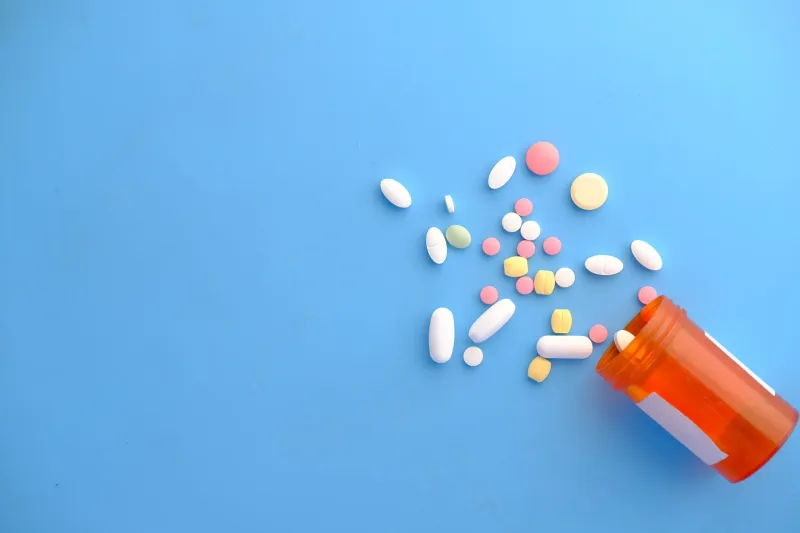
Somewhere in your bathroom right now, there's probably a bottle of ibuprofen, an old antibiotic, or a leftover allergy pill that's technically expired. And if you're like most people, you've either already thrown it away or you're planning to — because expired medication is dangerous, right?
Not exactly. The real story behind those expiration dates is more complicated, more interesting, and honestly a little frustrating once you understand how the system actually works.
Where the Expiration Date Actually Comes From
The FDA started requiring expiration dates on medications in 1979. The rule was straightforward: manufacturers had to print a date on every drug, and that date had to reflect a period during which they could guarantee the drug's full potency and stability.
Here's the thing — that guarantee is built around the manufacturer's testing window, not around when the drug actually stops working. A pharmaceutical company runs stability tests for a set period, often one to three years, and the expiration date reflects the end of that tested window. Once the tests stop, the clock stops too. The company isn't required to test further, and most don't bother, because there's no financial reason to extend a product's shelf life when people are already replacing it.
In other words, the date on your pill bottle doesn't say "this is when the drug goes bad." It says "this is as far as we tested it."
The Military Found This Out the Hard Way — and Then Quietly Used It
In the late 1980s, the U.S. military was sitting on a massive stockpile of medications — billions of dollars worth — that were approaching their printed expiration dates. Throwing all of it away would have been an enormous waste, so the Department of Defense partnered with the FDA to actually test what happened to drugs after they expired.
The results were striking. A 2006 study published in the journal Archives of Internal Medicine analyzed 122 different drug compounds from military stockpiles that were well past their expiration dates — some by more than a decade. Of those, 88 percent were found to be fully potent and safe to use.
The program, called the Shelf Life Extension Program (SLEP), is still running today. The military routinely uses medications years past their stamped dates based on ongoing testing. The drugs work. The government just doesn't broadcast this to the general public, partly because the message is complicated, and partly because the pharmaceutical industry doesn't have much incentive to encourage people to keep old medications longer.
So Are All Expired Drugs Safe?
This is where the nuance matters, and it's worth getting right.
Most solid medications — tablets and capsules — are remarkably stable over time when stored properly. Common drugs like ibuprofen, acetaminophen, antihistamines, and many antibiotics have been shown to retain potency well beyond their labeled dates, sometimes for years.
Liquid medications are a different story. Suspensions and syrups can degrade more quickly, change in concentration, or become contaminated over time. Eye drops are another category where expiration matters more, because sterility is critical and harder to maintain once a bottle has been opened.
There are also a few specific drugs where potency loss is genuinely dangerous. Nitroglycerin for heart conditions, for example, needs to work immediately and completely. Epinephrine in EpiPens is another — studies have shown it can degrade faster than most drugs, and when you're using it in an emergency, you need it to be fully effective. Insulin is also sensitive to time and temperature in ways that most drugs aren't.
The rule of thumb most pharmacists use privately: if it's a tablet or capsule stored in a cool, dry place, a few months past the date is unlikely to be a problem. Years past the date is less predictable. And for anything that treats a serious, time-sensitive condition, don't gamble.
Why the Misconception Sticks
The "expired drugs are dangerous" belief persists for a few reasons. First, the FDA's messaging has historically been cautious — agencies default to conservative guidance because the liability of telling people it's probably fine is much higher than telling people to throw it away. Second, pharmacies and drug manufacturers benefit when people replace medications regularly. Third, the nuance is genuinely hard to communicate in a label.
There's also a conflation happening with food expiration dates, which have their own complicated story. People apply the same mental model — past the date means spoiled — to medications, even though the chemistry is completely different.
What Doctors Actually Say
Most physicians, when asked off the record, will tell you the same thing: for common over-the-counter medications, a few months past the printed date is not a safety concern. The drug may have lost a small percentage of potency, but it's not going to harm you.
For prescription medications, the calculus depends on what the drug is for. A slightly less potent antihistamine is inconvenient. A slightly less potent blood thinner or seizure medication is a different conversation entirely.
The practical takeaway: don't treat that stamped date as a hard cliff. Understand what the medication is, how it's stored, and what it's treating. And if you're ever genuinely unsure, your pharmacist is a better resource than the trash can.
The Real Story
Expiration dates on medications are a regulatory requirement built around manufacturer testing windows and legal liability — not a precise scientific measurement of when a drug becomes unsafe. The military has been using this knowledge for decades. Most solid medications stored properly outlast their printed dates significantly. A handful of drugs are genuine exceptions. The system isn't broken, but it was never designed to tell you what most people think it's telling them.