The 'Most Important Meal' Claim Started in a Cereal Factory, Not a Lab
The 'Most Important Meal' Claim Started in a Cereal Factory, Not a Lab
Every American kid has heard it: "Breakfast is the most important meal of the day." Your parents said it. Your teachers reinforced it. Health magazines repeat it constantly. It's so deeply embedded in our culture that questioning it feels almost rebellious.
But here's what nobody tells you: This "nutritional wisdom" didn't come from doctors or scientists. It came from a cereal company's advertising department.
The Real Origin Story
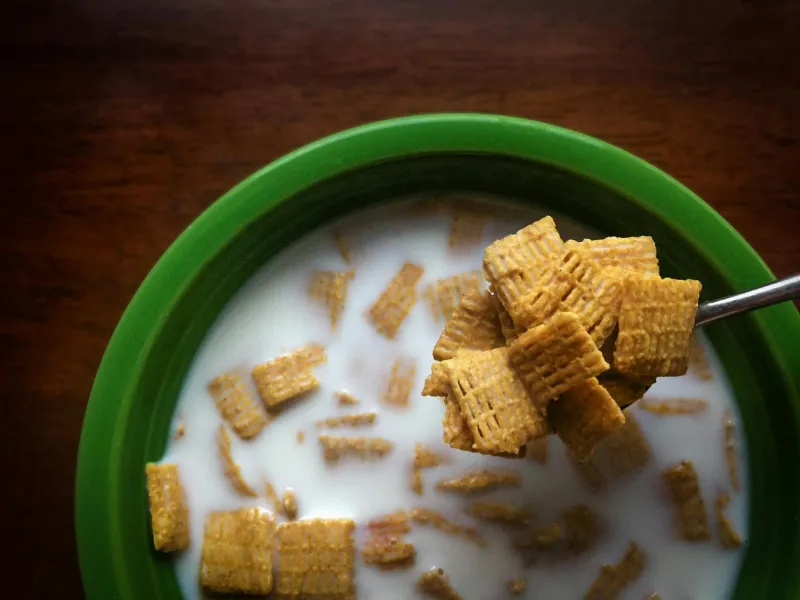
In 1917, Kellogg's launched an advertising campaign with a simple message: eating their cereal for breakfast would boost your health and energy. The slogan "Breakfast is the most important meal of the day" wasn't based on research—it was designed to sell cornflakes.
The campaign worked brilliantly. During the early 1900s, Americans were becoming more health-conscious, and Kellogg's positioned their products as the scientific choice for modern families. The company hired nutritionists to endorse their cereals and published pamphlets explaining why skipping breakfast was dangerous.
What made this marketing genius was its timing. The industrial revolution had changed how Americans ate. Factory workers needed quick, convenient breakfast options, and cereal fit perfectly. Kellogg's didn't just sell a product—they sold a lifestyle and a belief system.
How Marketing Became Medical Advice
By the 1940s and 50s, the breakfast message had evolved beyond cereal marketing. Government nutrition programs, school curricula, and parenting guides all echoed the same advice. The original commercial origins were forgotten, but the message lived on.
The phrase became so accepted that questioning it seemed absurd. If everyone from your pediatrician to your school nurse agreed that breakfast was crucial, who were you to argue? The marketing had successfully transformed into conventional wisdom.
This pattern repeats throughout American food culture. Companies don't just sell products—they sell ideas about health, family values, and proper living. Once those ideas take root, they become nearly impossible to uproot.
What Science Actually Says Today
Modern nutrition research tells a more complicated story about breakfast. Some studies suggest that people who eat breakfast tend to maintain healthier weights and have better metabolic markers. But other research shows that meal timing matters less than overall diet quality and caloric balance.
The truth is that some people genuinely feel and perform better when they eat breakfast. Others do fine skipping it entirely. Your genetics, sleep schedule, activity level, and personal preferences all matter more than following a one-size-fits-all rule from 1917.
Intermittent fasting research has further complicated the breakfast narrative. Studies show that extending the overnight fast can have metabolic benefits for many people. This directly contradicts the "never skip breakfast" advice that dominated for decades.
Why the Myth Stuck So Hard
Several factors kept the breakfast belief alive long after its commercial origins were forgotten:
Parental anxiety: Parents want to ensure their kids are properly nourished. A simple rule like "always eat breakfast" feels like responsible caregiving.
School policies: Many schools implemented breakfast programs and reinforced the importance of morning meals. Teachers noticed that hungry kids had trouble concentrating, which seemed to confirm the breakfast rule.
Correlation confusion: Studies often found that breakfast-eaters were healthier overall. But this correlation doesn't prove causation—people who eat regular breakfasts might simply have more structured, health-conscious lifestyles in general.
Medical shorthand: Doctors found it easier to recommend "eat breakfast" than to explain the complexities of individual metabolism and meal timing.
The Bigger Picture
The breakfast myth reveals how commercial messages can become cultural truths. Once an idea reaches a certain level of acceptance, questioning it feels almost heretical. We stop asking "Is this true?" and start asking "How can I follow this rule better?"
This pattern shows up everywhere in American life. Diamond engagement rings, daily vitamins, eight glasses of water—many of our most cherished health and lifestyle beliefs trace back to marketing campaigns rather than scientific discoveries.
The breakfast story isn't really about cereal or meal timing. It's about how easily we accept information that confirms what we want to believe, especially when it comes wrapped in the language of health and responsibility.
What This Means for You
None of this means breakfast is bad or that you should stop eating it. If you enjoy breakfast and feel better when you eat it, keep doing what works. The problem isn't the meal—it's the rigid, one-size-fits-all thinking that came from a marketing campaign.
The real lesson is simpler: be skeptical of universal health rules, especially ones that everyone "just knows" are true. Ask where the advice came from and whether it actually applies to your life.
Your body's needs are more individual than any advertising slogan can capture. Sometimes the most important meal of the day is the one that makes you feel your best—whether that's at 7 AM or 1 PM.