You Probably Think Bottled Water Is Safer Than Tap. The Reality Is More Complicated.
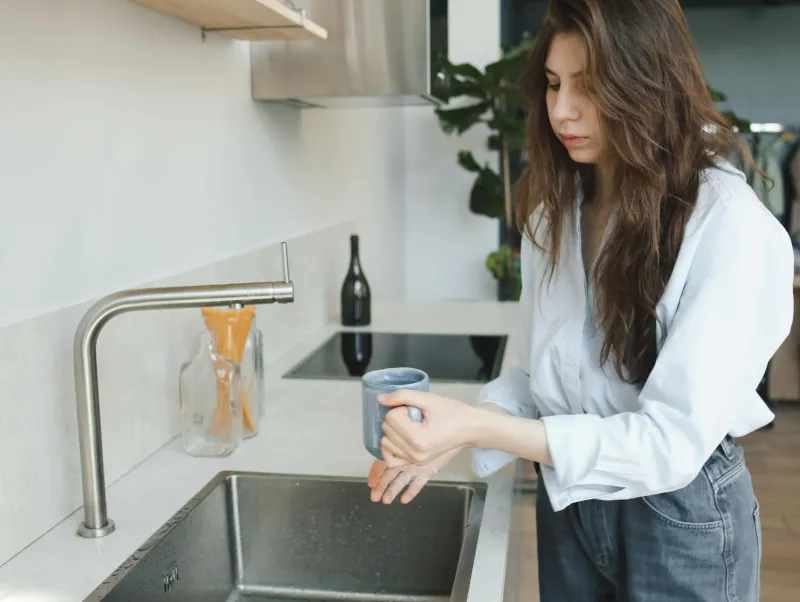
Walk into any grocery store and you'll see entire aisles dedicated to bottled water. Crystal-clear bottles promise "pure mountain spring water" or "naturally filtered" hydration. Meanwhile, most Americans turn their nose up at tap water, assuming it's somehow inferior or unsafe.
This assumption feels logical. After all, if tap water were just as good, why would millions of people spend billions of dollars on the bottled alternative? The answer reveals one of the most successful marketing campaigns in modern history—and a regulatory gap that might shock you.
The Testing Standards Tell a Different Story
Here's what most people don't know: municipal tap water faces far stricter federal oversight than bottled water. The Environmental Protection Agency (EPA) requires public water systems to test for over 90 contaminants and publish annual water quality reports. These tests happen hundreds of times per month for large systems.
Bottled water, on the other hand, falls under FDA jurisdiction—and the rules are surprisingly relaxed. The FDA requires bottled water companies to test for fewer contaminants, less frequently, and they're not required to share those results with the public. Some bottled water companies test their products just once a week.
Even more surprising: about 25% of bottled water is actually just tap water that's been filtered and repackaged. Brands like Aquafina and Dasani source their water from municipal supplies, then treat it before bottling.
How We Got Here: The Marketing Revolution
The bottled water boom didn't happen because tap water got worse—it happened because marketing got better. In the 1980s, brands like Perrier convinced Americans that drinking water could be sophisticated and health-conscious. The strategy worked so well that U.S. bottled water consumption increased from 1.6 gallons per person annually in 1976 to over 40 gallons today.
The messaging was subtle but powerful: images of pristine mountain springs, promises of "purity," and the implicit suggestion that tap water was somehow contaminated or inferior. This marketing coincided with growing environmental awareness, making bottled water feel like a premium, health-conscious choice.
Meanwhile, actual tap water quality was improving dramatically. The Safe Drinking Water Act of 1974 established strict standards that have made American tap water among the safest in the world.
What Independent Testing Actually Shows
When independent organizations test both tap and bottled water, the results often surprise consumers. The Natural Resources Defense Council found that some bottled water contained higher levels of bacteria than tap water. Environmental Working Group testing discovered that 10 popular bottled water brands contained 38 chemical pollutants on average, including disinfection byproducts and industrial chemicals.
This doesn't mean bottled water is dangerous—most of it is perfectly safe. But it does mean the quality gap between tap and bottled water is much smaller than most people assume, and sometimes favors tap water.
Tap water also has one major advantage: fluoride. Most municipal water systems add fluoride for dental health, while most bottled water contains little to none. The CDC calls water fluoridation one of the 10 greatest public health achievements of the 20th century.
The Regulatory Gap That Matters
The oversight difference becomes especially important during emergencies. When tap water systems face contamination, authorities issue immediate public warnings through multiple channels. When bottled water has problems, recalls can take weeks or months to reach consumers, if they happen at all.
The FDA also allows bottled water companies to use terms like "natural" and "pure" with minimal oversight. There's no legal definition of "pure" water, and "natural" doesn't guarantee the water is any safer or healthier.
When Bottled Water Makes Sense
This doesn't mean bottled water is always a waste of money. It serves important purposes:
- Emergency situations: When tap water is compromised or unavailable
- Travel: In areas where you're unsure about local water quality
- Taste preferences: Some people genuinely prefer the taste
- Convenience: For on-the-go hydration when refilling isn't practical
The key is understanding that you're often paying for convenience and marketing rather than superior safety or health benefits.
The Real Takeaway
If your tap water comes from a regulated municipal system in the United States, it's almost certainly safe to drink and often tested more rigorously than bottled alternatives. The "bottled water is safer" assumption persists because it feels intuitive and because decades of marketing have reinforced this belief.
The next time you reach for a bottle of water, consider whether you're solving an actual problem or responding to successful marketing. Your wallet—and the environment—might thank you for choosing the tap.